

If you have been searching for a reliable optimum nutrition plant protein in the UK, you have likely landed on the Gold Standard 100% Plant-Based Powder. Optimum Nutrition built its reputation on the whey-dominant Gold Standard range, and the move into vegan protein was inevitable. The question for 2026 is whether this plant-based contender still holds its own after a quiet formula refresh, shifting high-street prices, and growing competition from UK-native brands. This review breaks down the protein blend, the nutritional numbers that matter, the taste experience, and exactly where to find the best price per serving right now.
Table of Contents
- What Is Optimum Nutrition Gold Standard 100% Plant Protein?
- Nutritional Profile and Key Benefits (2026 Formula)
- Taste, Mixability, and How to Use It
- UK Price Comparison: Where to Buy in 2026
- Optimum Nutrition Plant Protein vs. Competitors (UK Market)
- Pros and Cons (Quick Summary for UK Shoppers)
- Frequently Asked Questions (UK Context)
- Final Verdict: Should You Buy Optimum Nutrition Plant Protein in 2026?
What Is Optimum Nutrition Gold Standard 100% Plant Protein?
Optimum Nutrition has been a heavyweight in sports nutrition for decades, largely off the back of its Gold Standard 100% Whey. The plant-based version arrived to serve a growing audience of vegan athletes, lactose-intolerant lifters, and anyone wanting to reduce dairy without sacrificing protein quality. The formula uses a tri-source blend of pea, rice, and fava bean proteins, a combination designed to plug the amino acid gaps that single-source plant powders often leave open.
Each scoop delivers 24g of protein, which puts it in the middle of the pack for plant-based powders. The target audience is broad: gym-goers needing a post-workout recovery shake, vegans looking for a clean label, and general health-conscious consumers who want zero sugar and no artificial additives. In the UK, the two standard flavours are Creamy Vanilla and Rich Chocolate Fudge, though stock levels at retailers like Holland & Barrett and Amazon UK can fluctuate.
Nutritional Profile and Key Benefits (2026 Formula)
Protein, Amino Acids, and BCAAs
The 24g of protein per serving comes from that pea, rice, and fava bean trio. Pea protein is rich in lysine but low in methionine, while rice protein offers the opposite profile. Fava bean protein rounds out the spectrum, and the result is a complete amino acid profile containing all nine essential amino acids. For anyone tracking recovery metrics, the powder also provides 4g of branched-chain amino acids per serving, a figure that holds up well against dairy-based competitors.
The label remains free from artificial colours, flavours, and sweeteners, and the powder contains zero grams of sugar. That clean label is a genuine selling point in a market where stevia aftertastes and sugar alcohols can polarise opinion. The calorie count sits around 120 to 130 per serving depending on the batch, making it viable for both maintenance and cutting phases.
The Formula Change Controversy (What UK Buyers Need to Know)
A Reddit thread from late 2025 flagged a formula change that caught the attention of regular buyers. According to user reports, the updated version carries roughly 10 more calories, 1.5 times the saturated fat, more than double the sodium, and half the calcium compared to the previous iteration. These are not trivial shifts for anyone tracking macros closely or managing sodium intake for blood pressure reasons.
The brand has not made a public announcement detailing the reasons for the change, which leaves consumers to speculate about cost optimisation or supply chain adjustments. For UK buyers, the practical takeaway is simple: if you are cutting and need tight control over fat and sodium, the new formula is slightly less forgiving. The only way to know which version you are buying is to check the back-of-pack label at the point of purchase. Holland & Barrett and Amazon UK may still have mixed stock well into 2026, so a quick glance at the nutrition panel is worth the effort.
Taste, Mixability, and How to Use It
Optimum Nutrition describes the texture as silky-smooth, and most user reviews across Amazon and specialist forums back that claim. The powder mixes cleanly with cold water or unsweetened almond milk, leaving minimal grit and no chalky film. That is a meaningful advantage over some plant proteins that need a blender to become drinkable.
The recommended method is one scoop shaken with 300 to 350 millilitres of cold water or plant milk. Almond milk adds a creamier mouthfeel without piling on many extra calories. Timing advice follows the standard post-workout window: aim for 30 to 60 minutes after training, or use it as a protein bridge between meals on busy days.
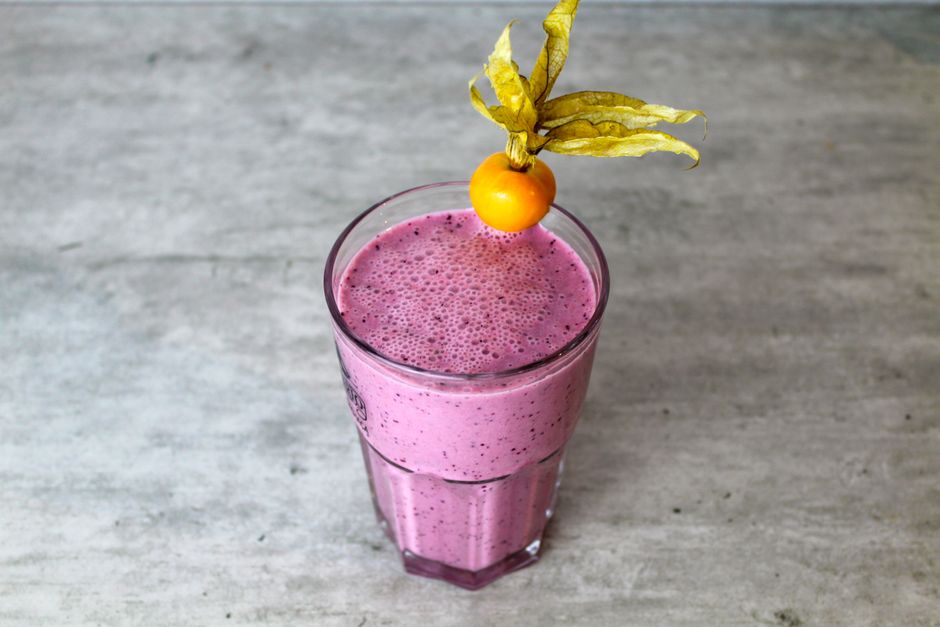
On flavour, Rich Chocolate Fudge is the more popular choice. It tastes closer to a dessert than a supplement, with a cocoa-forward profile that avoids the artificial bitterness some chocolate protein powders carry. Creamy Vanilla is milder and works well as a base for smoothies with frozen berries or a spoonful of peanut butter. Neither flavour is overly sweet, which aligns with the zero-sugar, no-artificial-sweetener promise.
UK Price Comparison: Where to Buy in 2026
Pricing in the UK is a mixed picture, and the value proposition shifts dramatically depending on where and when you buy. The 684g tub contains 12 servings, which is on the small side compared to bulk bags from UK-native brands.
Holland & Barrett lists the tub at a standard retail price of £29.00, but it frequently runs a 50% off promotion that drops the price to £14.50. At that sale price, the cost per serving falls to roughly £1.21, which is competitive. At full RRP, the same serving costs about £2.42, which is expensive for a plant protein with only 24g per scoop.
Amazon UK pricing tends to hover around the £25 to £29 mark, with occasional dips during Prime Day or Black Friday events. The Subscribe and Save option, which offers 20% off on the US site, is not consistently available for this product on Amazon UK, so do not bank on it. Boots and Sainsbury’s stock the powder intermittently, usually at or near the full RRP, though Boots Advantage Card points can soften the blow slightly.
The best strategy for UK buyers is to wait for the Holland & Barrett half-price cycle and stock up. If you need a tub immediately and cannot find a promotion, the price-per-gram of protein is hard to justify against alternatives.
Optimum Nutrition Plant Protein vs. Competitors (UK Market)
vs. Vega Sport Premium Protein
Vega Sport Premium Protein delivers 30g of protein per serving, which is 6g more than Optimum Nutrition’s offering. It uses a multi-source blend that includes pea, pumpkin seed, and sunflower seed proteins. The trade-off is taste: Vega relies on stevia for sweetness, and a vocal minority of users report a lingering aftertaste. ON Plant Protein has a cleaner, smoother flavour and zero sugar, but it gives up some protein density. Vega also costs more per serving in the UK, typically sitting above £2.50 even on offer.
vs. Orgain Organic Plant Protein
Orgain Organic Plant Protein is cheaper per serving, often landing around £1.50 when bought in bulk tubs. It provides 21g of protein per scoop, which is 3g less than ON, and includes organic erythritol in its sweetening system. The amino acid profile is solid but not as comprehensively rounded as ON’s pea, rice, and fava bean blend. If budget is the primary concern, Orgain wins. If you want a cleaner label and better mixability, ON holds the edge.
vs. The Protein Works Vegan Protein
The Protein Works is a UK-based brand that has carved out a loyal following with aggressive pricing and a huge flavour range. A 1kg bag often retails around £25, which pushes the cost per serving well below £1.00. Protein content varies by flavour but typically sits between 22g and 25g per scoop. Where ON wins is brand trust and third-party credibility: the McLaren Formula 1 partnership and professional athlete endorsements give Optimum Nutrition a level of legitimacy that newer brands are still building. The Protein Works wins on value and variety.
The verdict across these comparisons is consistent. ON Plant Protein leads on mixability, taste smoothness, and brand authority. It loses on price-per-gram of protein, especially when measured against UK-native competitors who have slashed margins to gain market share.
Pros and Cons (Quick Summary for UK Shoppers)
On the positive side, the tri-source protein blend is genuinely high quality, delivering a complete amino acid profile with zero sugar and no artificial additives. The brand carries weight: endorsements from McLaren F1 and professional athletes like Cameron Brink signal a product that has passed serious scrutiny. The texture is among the best in the plant protein category, and the half-price promotions at Holland & Barrett make it an occasional bargain.
The drawbacks are equally clear. At full RRP, £29.00 for 12 servings is poor value. The recent formula change has nudged the saturated fat and sodium upward while halving the calcium, which feels like a step backwards for a health-conscious product. Only two flavours are available in the UK, and the tub size is small compared to the 1kg and 2kg options offered by competitors. If you are a high-frequency user, you will be restocking often.
Frequently Asked Questions (UK Context)
Is Optimum Nutrition Plant Protein suitable for vegans? Yes, it is 100% vegan and certified gluten-free. The ingredient list contains no animal-derived components.
Does it contain artificial sweeteners? No. The formula uses natural flavours and contains zero grams of sugar. There is no stevia, sucralose, or aspartame in the current UK formulation.
How does the new formula compare to the old one? The 2025-2026 version has more calories, more saturated fat, more than double the sodium, and roughly half the calcium of the previous formula. If you have an old tub at home, compare the panels side by side to see the differences clearly.
Can I use it for weight loss? Yes. At approximately 120 to 130 calories per serving with 24g of protein, it works well as a low-calorie, high-satiety shake. The zero-sugar profile also helps keep insulin spikes in check.
Where is the best place to buy in the UK? Holland & Barrett during a 50% off sale offers the lowest price per serving. Amazon UK is the most convenient option with fast delivery, but the price is rarely the cheapest unless a lightning deal is active.
Final Verdict: Should You Buy Optimum Nutrition Plant Protein in 2026?
This is a product that shines brightest when it is on promotion. The smooth texture, clean label, and trusted brand name make it a solid choice for anyone who values mixability and taste above raw protein numbers. If you find it at £14.50 at Holland & Barrett, it is an easy recommendation.
Avoid paying full price. At £29.00, the cost per serving is hard to justify when UK-native brands offer comparable or better macros for less. The formula change is also a legitimate concern for anyone who tracks sodium and saturated fat carefully. If you want a reliable, great-tasting plant protein and can buy it on offer, it earns its place in your cupboard. If you are a budget-conscious buyer who needs more than 24g of protein per scoop, look elsewhere.