

Navigating the world of bodybuilding supplements in the UK can feel overwhelming, especially when every search result seems to push you straight towards a checkout page. Type the term into Google and you are met with a wall of commercial noise: Myprotein, Bodybuilding Warehouse, Powerbody, and Discount Supplements all jostling for your basket. This guide is different. Written for Rapidstrength.co, it cuts through the retailer hype to rank supplements by genuine efficacy, real-world value, and UK-specific safety standards. Whether you are an intermediate lifter looking to optimise your spend or a beginner trying to avoid expensive mistakes, we are here to provide the independent, evidence-based filter that the current market lacks. In 2026, with household budgets squeezed and demand for transparency higher than ever, knowing what to buy, and what to ignore, is your greatest training advantage.
Table of Contents
- What Are Bodybuilding Supplements? (And Why the UK Market Is Unique)
- The 2026 Supplement Tier List (S-Tier to F-Tier)
- How to Choose the Right Supplements for Your Goals
- UK Buying Guide: Value, Safety, and Regulation
- Common Myths and Misconceptions (Debunked for 2026)
- Frequently Asked Questions
- Conclusion: Building Your Stack in 2026
What Are Bodybuilding Supplements? (And Why the UK Market Is Unique)
Bodybuilding supplements are concentrated powders, pills, and bars designed to support muscle growth, recovery, and athletic performance. They range from single-ingredient staples like creatine monohydrate to complex pre-workout blends and meal replacements. The category exists to fill nutritional gaps, not to replace a balanced diet, though marketing often blurs that line.
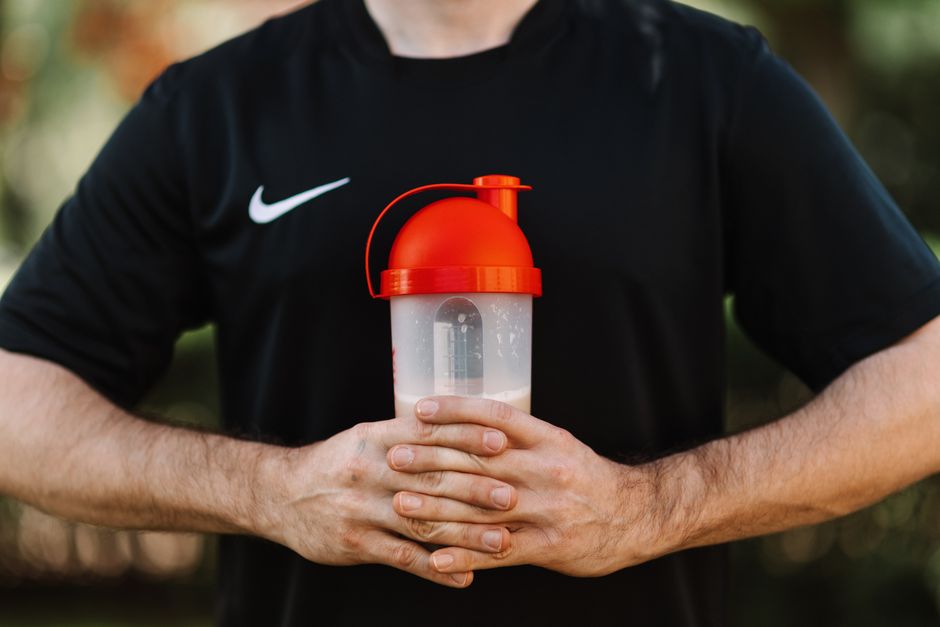
The UK market has distinct characteristics that shape your buying experience. Regulation is tighter here than in many parts of the world, with the Medicines and Healthcare products Regulatory Agency (MHRA) and Food Standards Agency (FSA) enforcing strict rules on what can be sold and what claims can be made. This means products containing unlicensed medicinal compounds are less likely to appear on mainstream shelves, offering a layer of consumer protection. The retail landscape is dominated by online giants offering aggressive pricing and rapid delivery, with same-day dispatch common on orders placed before mid-afternoon. A uniquely British phenomenon is the rise of "short-dated" clearance sections, where perfectly effective supplements approaching their best-before date are sold at deep discounts, sometimes up to 75% off. This creates a value opportunity rarely discussed in mainstream guides.
It is crucial to distinguish between essential supplements with decades of peer-reviewed backing, such as creatine and whey protein, and fringe products like Turkesterone or herbal testosterone boosters, which often rely on animal studies or anecdotal reports. Currently, the top search results for this query are almost entirely transactional, leaving a significant gap for independent, non-commercial guidance. This article fills that void.
The 2026 Supplement Tier List (S-Tier to F-Tier)
Borrowing a proven engagement model but updating it with 2026 research, we rank the most popular bodybuilding supplements from essential to ineffective. This tier list is based on efficacy, cost-effectiveness, and safety.
S-Tier: The Essentials
Creatine monohydrate remains the undisputed king. The evidence is overwhelming: consistent supplementation can yield approximately 3 lb of lean mass gain over 8 to 12 weeks. When you calculate the cost per pound of lean mass gained, creatine comes in at roughly £6, making it the most economical supplement on the market. One persistent myth deserves a definitive burial in 2026. Recent studies tracking both dihydrotestosterone (DHT) levels and actual hair follicle health have found no causal link between creatine use and hair loss. The original fear stemmed from a single, small study that observed a DHT increase but never measured hair loss itself. You can supplement with confidence.
Whey protein sits at the top of the A-tier, bordering on essential for those who struggle to meet their daily protein requirements through whole foods alone. The cost analysis is sobering: when used to correct a genuinely deficient diet, protein powder costs approximately £60 per pound of lean mass gained. This is ten times more expensive than creatine, which is why we classify it slightly lower. Whey is best deployed as a convenient top-up, not a meal replacement. If you already eat sufficient chicken, eggs, and dairy, adding more powder will not accelerate your progress.
A-Tier: Highly Effective
Beta-alanine earns its place through proven improvements in high-repetition performance. By buffering acidity in working muscles, it allows you to squeeze out extra reps, driving hypertrophy over time. The only notable side effect is paraesthesia, a harmless tingling or "pins and needles" sensation on the skin, which fades with regular use. Citrulline malate is another A-tier performer, enhancing blood flow and reducing fatigue during training. The result is a better pump and faster recovery between sets, making it a staple in high-quality pre-workout formulas.
B-Tier: Situationally Useful
Mass gainers are calorie-dense powders marketed to hardgainers who struggle to eat enough food. They work, but they are often overpriced per gram of protein compared to a homemade blend of whey, oats, and milk. If convenience is paramount, they have a place; if budget matters, make your own. Casein protein, a slow-digesting dairy derivative, is useful when consumed before bed to provide a steady stream of amino acids during sleep. It is not a game-changer, but it can be a useful tool during an intense training phase.
C-Tier to F-Tier: Proceed with Caution
HMB, a metabolite of leucine, and fish oil both offer minor, incremental benefits. The cost-to-benefit ratio is poor for the average lifter, though fish oil has broader health implications that may justify its use independently of bodybuilding goals. Turkesterone, an ecdysteroid popularised by influencers, lacks robust human evidence. Most studies are conducted on animals, and the few human trials show underwhelming results. Testosterone boosters, typically herbal blends containing fenugreek or tribulus, occupy the F-tier for the vast majority of users. Unless a blood test confirms a clinical deficiency, these products will not raise your testosterone or build muscle. They are the most overhyped category in the industry.
A fascinating footnote is the placebo effect. A landmark 1972 study gave athletes a mystery supplement they believed to be steroids. The result was a significant strength increase: bench press rose by 13.3 kg and squat by 18.9 kg, purely from belief. This does not mean you should buy fake supplements, but it does underscore that mindset and training intensity matter enormously.
How to Choose the Right Supplements for Your Goals
Your supplement stack should reflect your specific training objective. Buying products without a clear goal is the fastest route to an expensive cupboard full of half-empty tubs.
For strength-focused athletes, such as powerlifters, the priority stack is creatine monohydrate, beta-alanine, and caffeine. Caffeine, typically delivered via a pre-workout powder, is a potent ergogenic aid that increases alertness and force production. This combination supports the neural and muscular demands of heavy lifting without unnecessary calories.
If hypertrophy is your primary goal, the classic bodybuilding stack of creatine plus whey protein, with the addition of citrulline malate, is the evidence-based choice. The creatine and protein provide the raw materials and cellular environment for growth, while citrulline malate enhances the pump and nutrient delivery.
During a cutting phase, where the goal is fat loss while preserving muscle, protein powder becomes particularly valuable. It allows you to maintain a high protein intake within a calorie deficit. A low-calorie pre-workout containing caffeine can help sustain training intensity when energy is low. Beginners should resist the urge to buy everything at once. Start with creatine monohydrate at 5 grams daily and a basic whey protein to fill dietary gaps. Avoid mass gainers and testosterone boosters entirely until you have at least twelve months of consistent, progressive training behind you.
UK Buying Guide: Value, Safety, and Regulation
Buying supplements in the UK requires a practical approach that balances cost, safety, and convenience. Safety must come first. The Oxfordshire Council and other local government bodies have issued advisories reminding consumers that all supplements sold in the UK must comply with the Food Safety Act. However, compliance and quality are not the same thing. Look for third-party testing logos on product pages. The Informed Sport programme is the gold standard for athletes subject to drug testing, as it screens for banned substances. For general consumers, it remains a strong indicator of manufacturing quality and label accuracy.
Price comparison is essential. Creatine monohydrate is a commodity chemical; there is no functional difference between an expensive branded tub and the cheapest micronised powder you can find. Buy the most cost-effective option available from a reputable retailer. Protein powder requires more scrutiny. Calculate the cost per gram of actual protein, not per gram of powder. Aim for under £0.05 per gram of protein as a benchmark for good value. Ignore flashy marketing and focus on the nutritional panel.
One of the smartest ways to save money is to shop short-dated clearance sections. Retailers like Powerbody and others frequently list supplements approaching their best-before date at discounts of up to 75%. Creatine and protein powders remain effective long past these dates if stored correctly, making this an excellent strategy for stocking up. Factor delivery charges into your total cost. Many UK retailers offer free shipping once your basket exceeds a threshold, typically around £50. Consolidating orders to hit this mark avoids paying a premium for postage.
Common Myths and Misconceptions (Debunked for 2026)
The supplement industry thrives on misinformation. Clearing up these persistent myths will save you money and frustration.
The belief that creatine causes hair loss refuses to die, despite being thoroughly refuted by 2025 and 2026 studies. Researchers have now tracked both DHT levels and hair follicle health markers in long-term creatine users and found no evidence of accelerated balding. This myth is officially dead.
A more dangerous misconception is that supplements are necessary to build muscle. They are not. Whole foods, chicken, rice, eggs, milk, and vegetables, are the foundation upon which all progress is built. Supplements exist to fill specific, identified gaps. No powder can compensate for poor training or a sloppy diet.
The assumption that a higher price tag indicates better quality is often backwards. Many premium-priced products allocate their budget to marketing and influencer partnerships rather than raw ingredients or third-party testing. A cheap, lab-tested creatine is superior to an expensive, untested one.
Finally, not all protein powders are created equal. Differences exist in heavy metal contamination, amino acid profiles, and digestibility. Look for brands that publish certificates of analysis and use proteins with high digestibility scores, such as whey isolate or concentrate. Vegan options like pea protein are also effective, but check they are formulated to provide a complete amino acid profile.
Frequently Asked Questions
Can I take bodybuilding supplements on the NHS? No, these products are classified as food supplements, not medicines. They are not prescribed by doctors and must be purchased privately.
Are pre-workouts safe for daily use? For most healthy adults, yes, but monitor your total daily caffeine intake. The safe upper limit is 400 mg per day from all sources. Many pre-workouts contain 200 to 300 mg per serving, leaving little room for coffee or tea. It is wise to cycle off stimulant-based pre-workouts for a week every eight weeks to maintain sensitivity.
What is the best supplement for a beginner in the UK? Start with creatine monohydrate, 5 grams daily, and a quality whey protein isolate or concentrate to help meet your protein target. These two products offer the strongest evidence base and the best value.
Do I need to cycle creatine? No. The old advice to load and cycle creatine is outdated. A consistent daily dose of 5 grams is safe, effective, and sustainable indefinitely.
Where can I buy supplements in the UK without getting scammed? Stick to established retailers with a physical presence and transparent practices. Look for the Informed Sport logo if you compete in tested sports. For independent product reviews and price comparisons, Rapidstrength.co offers guidance tailored to the UK market, helping you identify quality products without falling for marketing gimmicks.
Conclusion: Building Your Stack in 2026
Your core stack does not need to be complicated. Creatine monohydrate, the undisputed S-tier champion, paired with a quality whey protein from the A-tier, will cover the vast majority of your supplementation needs. Add a solid training programme and a diet built on whole foods, and you have the formula for progress. Avoid the temptation to buy pre-made "stacks" or "kits" from retailers. These bundles often include under-dosed or unnecessary ingredients. Purchasing individual supplements separately gives you control over dosage, quality, and cost. You now have the knowledge to buy smarter, train harder, and ignore the hype that dominates the UK bodybuilding supplement market.